
August 13, 2026 · 6 min read · Krono Legacy
Watch Condition Grading Explained: Unpolished, Honest Wear, and Redials
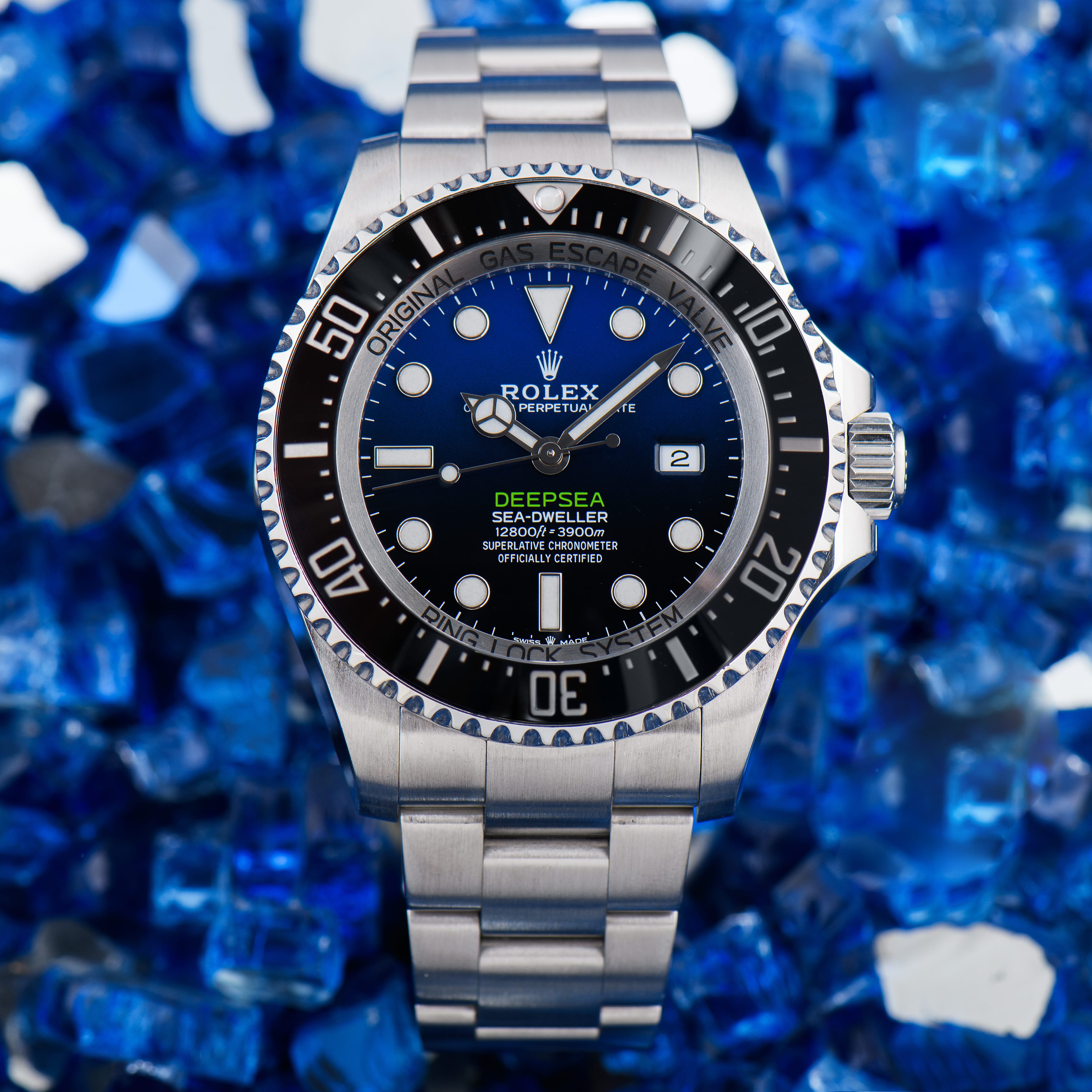
In the pre-owned market, condition is described in a specific vocabulary — unpolished, honest wear, patina, service dial, redial — and every term carries real money. The short version: original and unpolished beats shiny-but-refinished, honest wear beats a suspicious "mint," and anything that replaces original parts reduces collector value even when it looks perfect. Learning the language protects you as both a buyer and a seller.
Unpolished vs. polished
An unpolished case retains its original factory lines and the crisp angles between brushed and polished surfaces. Polishing permanently removes metal and rounds those edges, so purists consistently prize unpolished examples — and collectors price polished watches lower than unpolished ones at the same cosmetic grade. Counter-intuitively, light honest wear on an original case is usually preferred over a flawless-looking case that's been refinished. Sotheby's covers this well in its collector's guide to watch condition.
Honest wear and patina
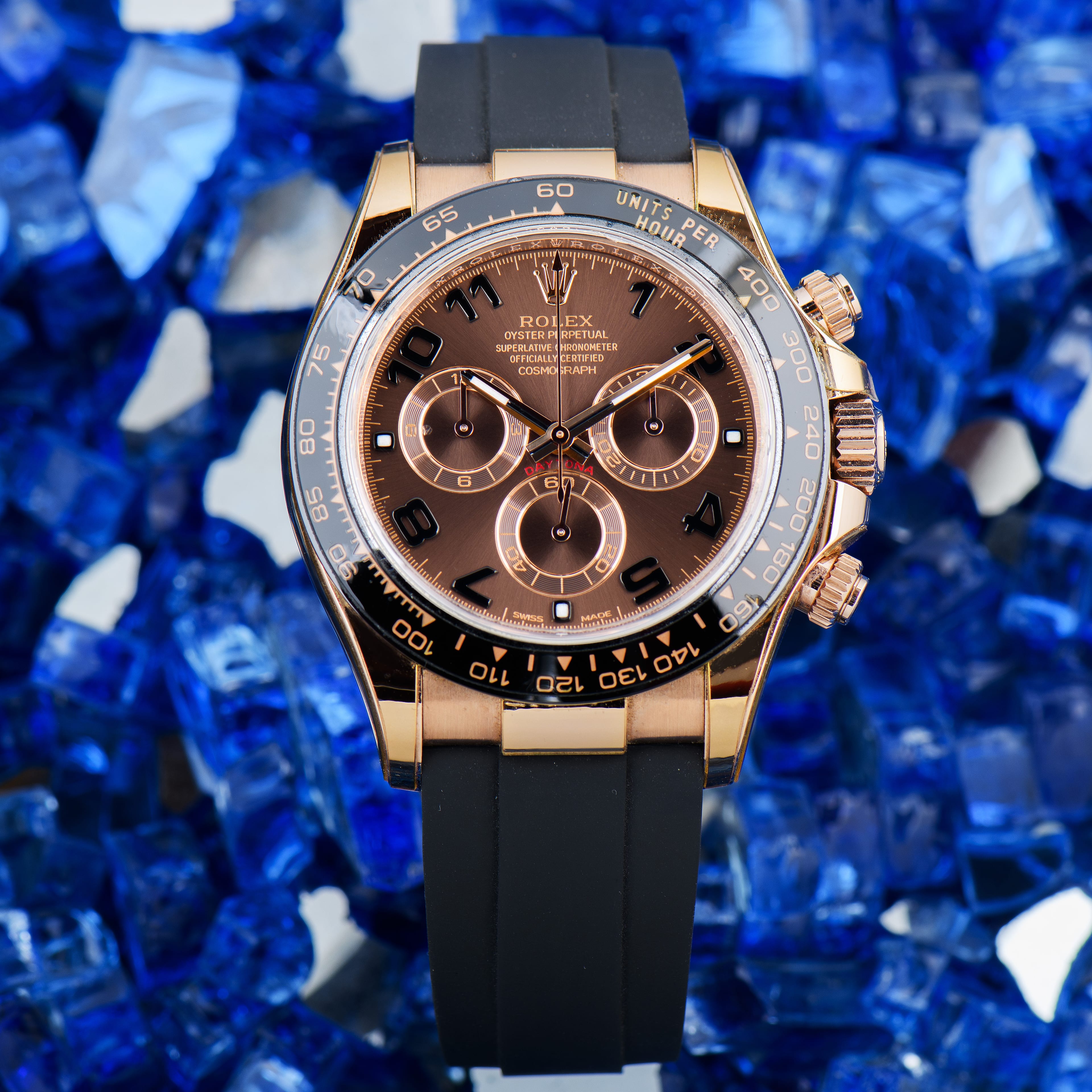
"Honest wear" describes a watch that shows light signs of use appropriate to its age, without damage and, crucially, with a factory-original dial. "Patina" is natural, age-related change to the dial, lume, hands, or bezel — and in vintage collecting it can be genuinely desirable, but only when it's natural and stable, never artificially induced. Both terms come back to the same principle: originality is what collectors are paying for.
Service dials and redials
A service dial is a replacement dial fitted during an authorized service instead of the original; a redial is an original dial that's been refinished or repainted. Both can look immaculate, and both reduce a watch's value because originality has been partially lost — collectors apply a discount even when the result is visually clean. Any reputable seller should disclose them. Confirming a dial is factory-correct is also part of basic authentication, which we cover in how to spot a fake Rolex.
The common grades
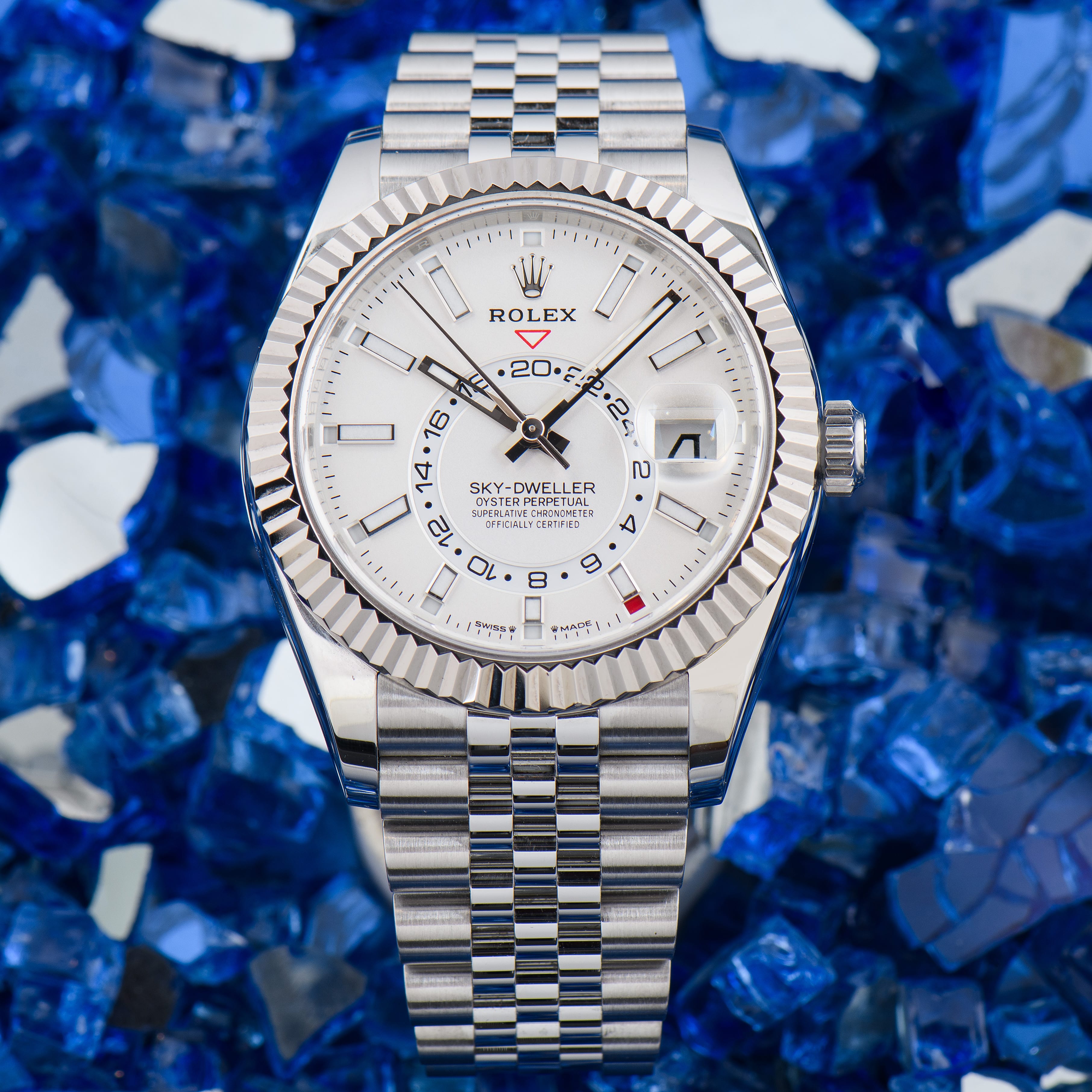
Most dealers describe watches on a scale. "Excellent" is the most practical grade in the pre-owned market — a watch worn carefully, with only light marks visible under close inspection. "Very good" signals more visible wear but not neglect. Grades are inherently subjective, so clear, well-lit photos and an honest written description matter far more than the label itself.
Why it matters when buying or selling
Originality drives value more than surface shine. When buying, ask whether the case has been polished, whether the dial is original, and what the service history looks like. When selling, resist the urge to polish before a sale — it usually costs you money, as we explain in what actually determines your offer. Every watch in our collection is described honestly, condition and all.
Keep reading