
July 30, 2026 · 7 min read · Krono Legacy
How to Sell a Rolex: What Actually Determines Your Offer
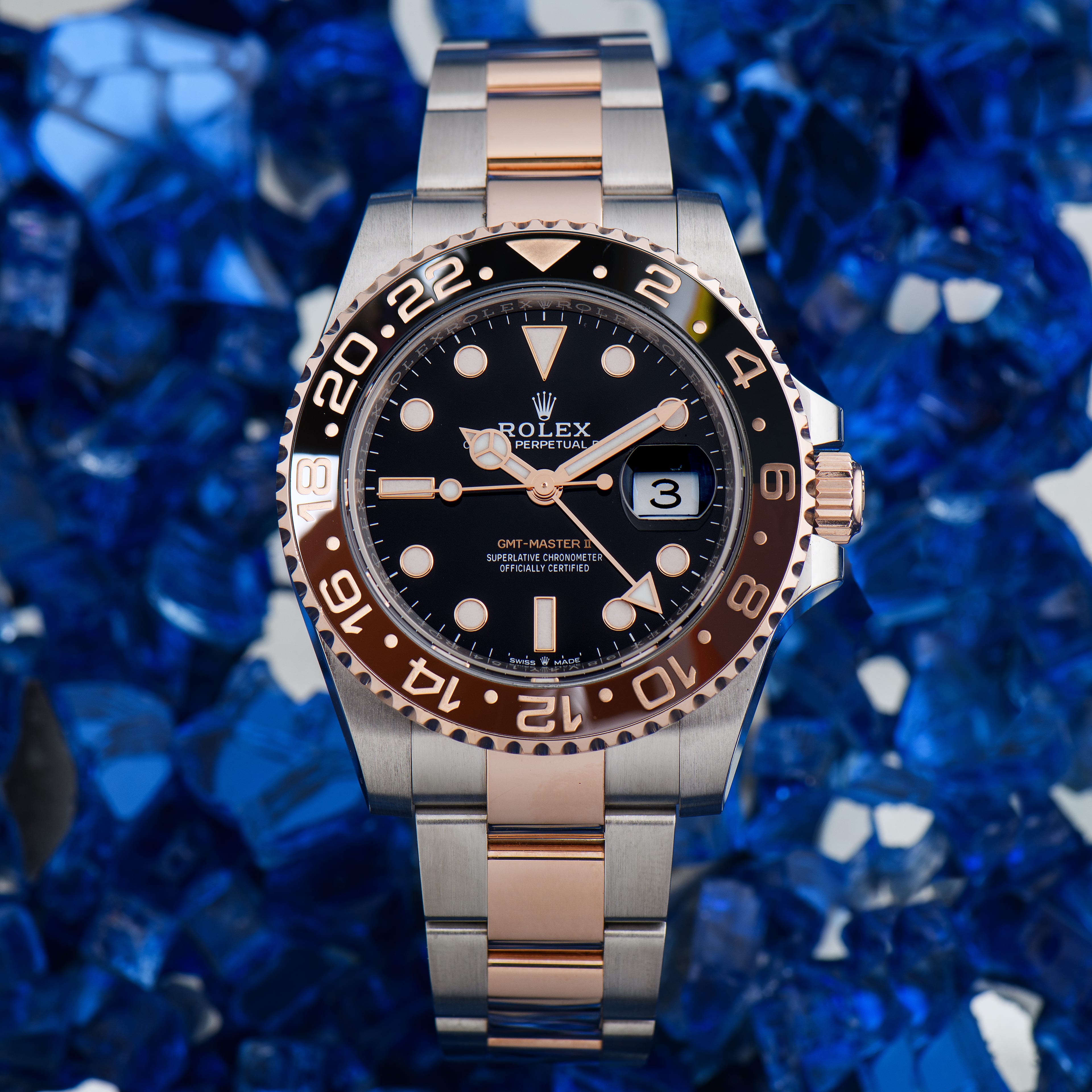
The offer on your Rolex comes down to four things: the exact reference and how in-demand it is right now, the watch's condition (originality matters more than a polished shine), whether you have the box and papers, and where the live secondary market sits that week. Understanding each one tells you why two watches that look identical can fetch very different offers — and how to get the best number for yours.
1. The reference and its demand
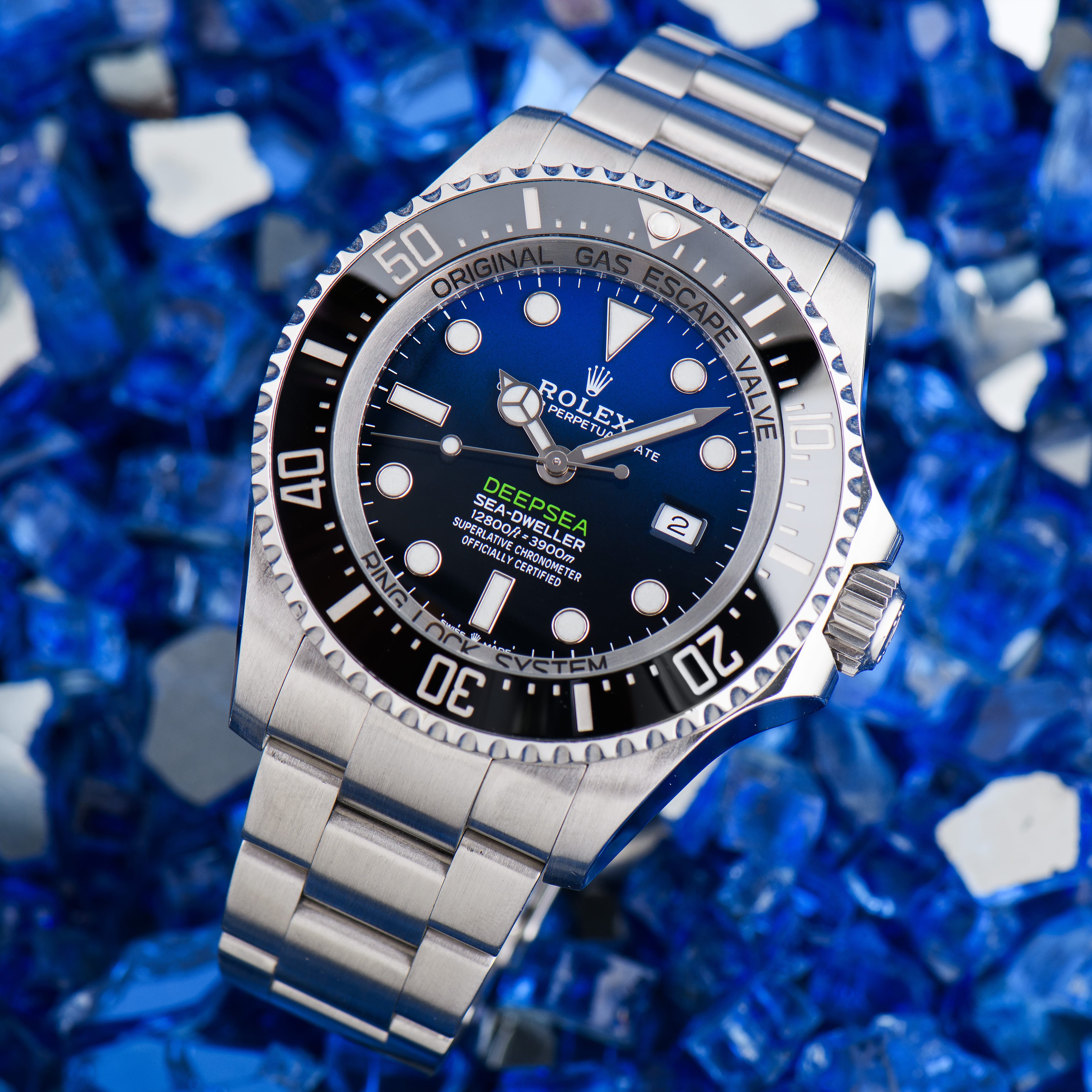
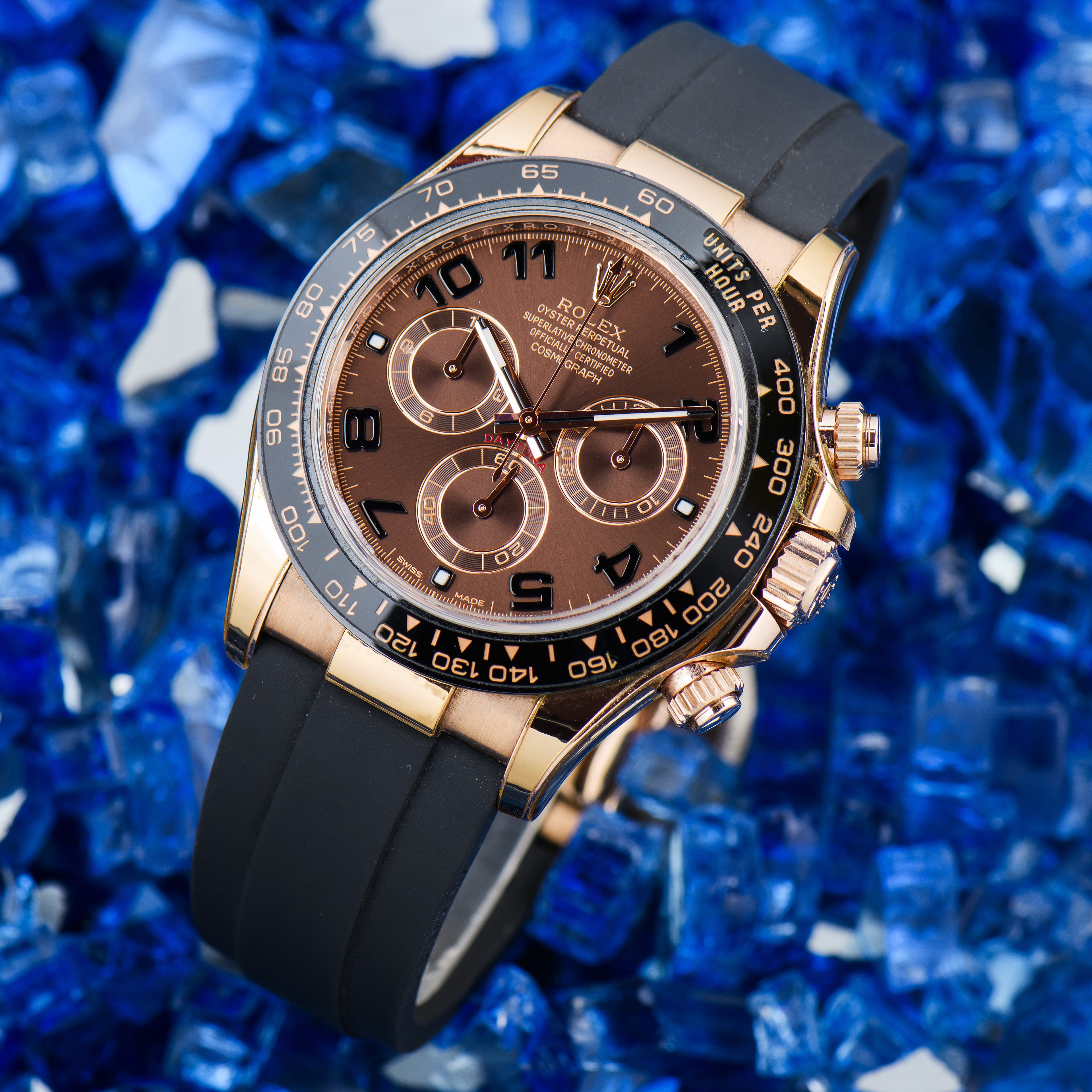
The model and reference number are the foundation of any valuation. Steel sports references with deep collector demand — the Submariner, Daytona, and GMT-Master II — consistently command the strongest offers, while dress and two-tone models see softer demand. Knowing your exact reference (and that it's the configuration buyers want) is the starting point. You can see the kind of Rolex references that move quickly in our Rolex collection.
2. Condition — and why polishing hurts
Condition matters enormously, but not the way many sellers assume. Unpolished cases with their original factory finishing command a premium, because polishing permanently removes metal and softens the sharp edges that define a case. Light, honest wear on an unpolished watch is generally preferred over a polished "mint" look. Before you sell, resist the urge to have the watch polished — you can't undo it, and it usually costs you money.
3. Box and papers
A full set — original box, warranty card, and any service records — typically adds around 10-25% to the offer on sports references, and it helps the watch sell faster. If you have them, gather them before requesting an offer. If you don't, it isn't a dealbreaker; it simply factors into the number. For the full picture, see what a "full set" really means for value.
4. The live market
Pre-owned prices move, so a fair offer is grounded in recent comparable sales for your exact reference and condition — not a static buyback sheet. Independent market trackers like WatchCharts show how much prices shift over time. Timing plays a role too: year-end (Q4) demand often nudges offers slightly higher, while the first quarter can be softer as inventory builds.
How dealer offers actually work
A dealer's offer sits below the retail resale price, because they need margin to authenticate, service, warranty, and resell the watch — typically somewhere around 75-85% of current market value. That's normal and not a lowball; the key is transparency about how the number was reached. It's always reasonable to get more than one offer and compare.
Selling with Krono Legacy
We make transparent, market-based offers grounded in current data, and we'll walk you through exactly how we got there. If an outright sale isn't the right move, we can also trade or discuss consignment. Start with our sell page and we'll take it from there.
Keep reading