
August 20, 2026 · 6 min read · Krono Legacy
Rolex Datejust 36 vs. 41: Sizing, Price, and Which to Buy
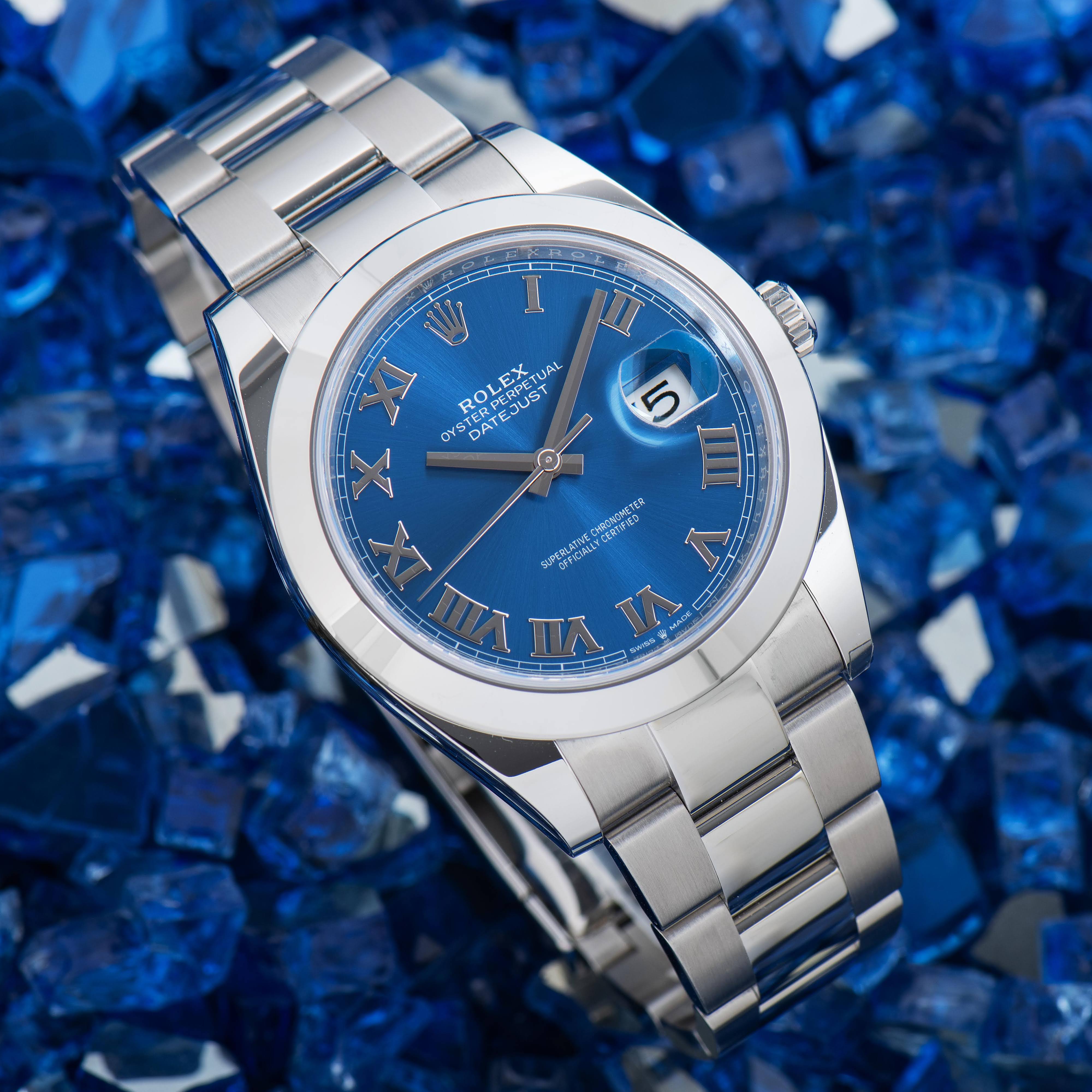
The Rolex Datejust 36 and 41 are the same watch in two proportions. The 36mm is the versatile classic — elegant, understated, and the lower point of entry. The 41mm is the modern statement — a wider bezel, a larger dial, and more presence on the wrist. Mechanically they're identical, so the choice comes down to your wrist size and your taste: the 36 suits smaller wrists and dress versatility, the 41 suits larger wrists and a contemporary look.
The core difference: size and presence
As a rough guide, the 36mm tends to look best on wrists under about 6.7 inches (17cm), the 41mm on wrists over roughly 7 inches, and anyone in between can comfortably wear either based on preference. Beyond fit, they read differently: the 36 slides under a dress cuff without a thought and pairs with anything, while the 41 is the one that gets noticed in a casual rotation. Neither is more "correct" — they're two takes on the same icon.
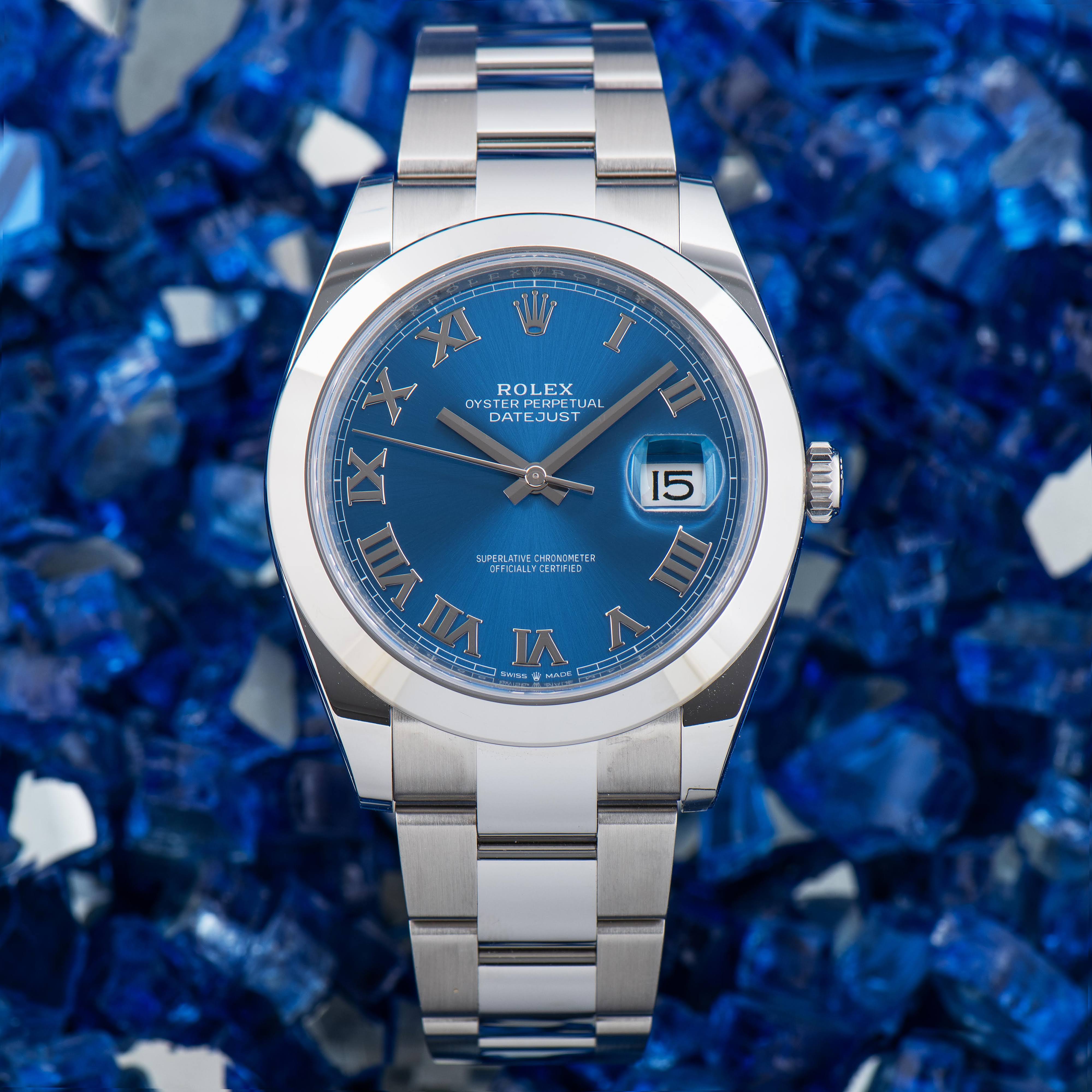
Under the hood, they're the same watch
Both sizes run Rolex's caliber 3235 with a 70-hour power reserve, are rated to 100 metres of water resistance, and offer the same choice of Jubilee or Oyster bracelet with the 5mm Easylink comfort extension. In other words, you're not trading away any performance by going smaller or larger — the decision is purely about proportions and style, not capability. You can read more about the current lineup on Rolex's official Datejust page.
Price and value
At retail and on the secondary market, the 41 generally sits above the 36 for comparable configurations, reflecting its position as the larger, more contemporary Datejust. The 36 is usually the lower entry point and holds its value steadily with less volatility; the 41 has carried stronger price momentum and a bigger premium in recent years. Independent trackers like WatchCharts show how those gaps move over time. If resale matters, understanding what actually drives a Datejust's value helps — see our guide to the six valuation factors.
Which should you buy?
Choose the 36 if you value tradition, versatility, a lower entry price, and a watch that disappears under a cuff — especially on a smaller wrist. Choose the 41 if you want modern presence and visibility and you have the wrist to carry it. There's no wrong answer, and the truly expensive mistake is buying the "investment" size and never wearing it: the best financial choice is almost always the watch you'll actually keep on your wrist.
Finding the right one
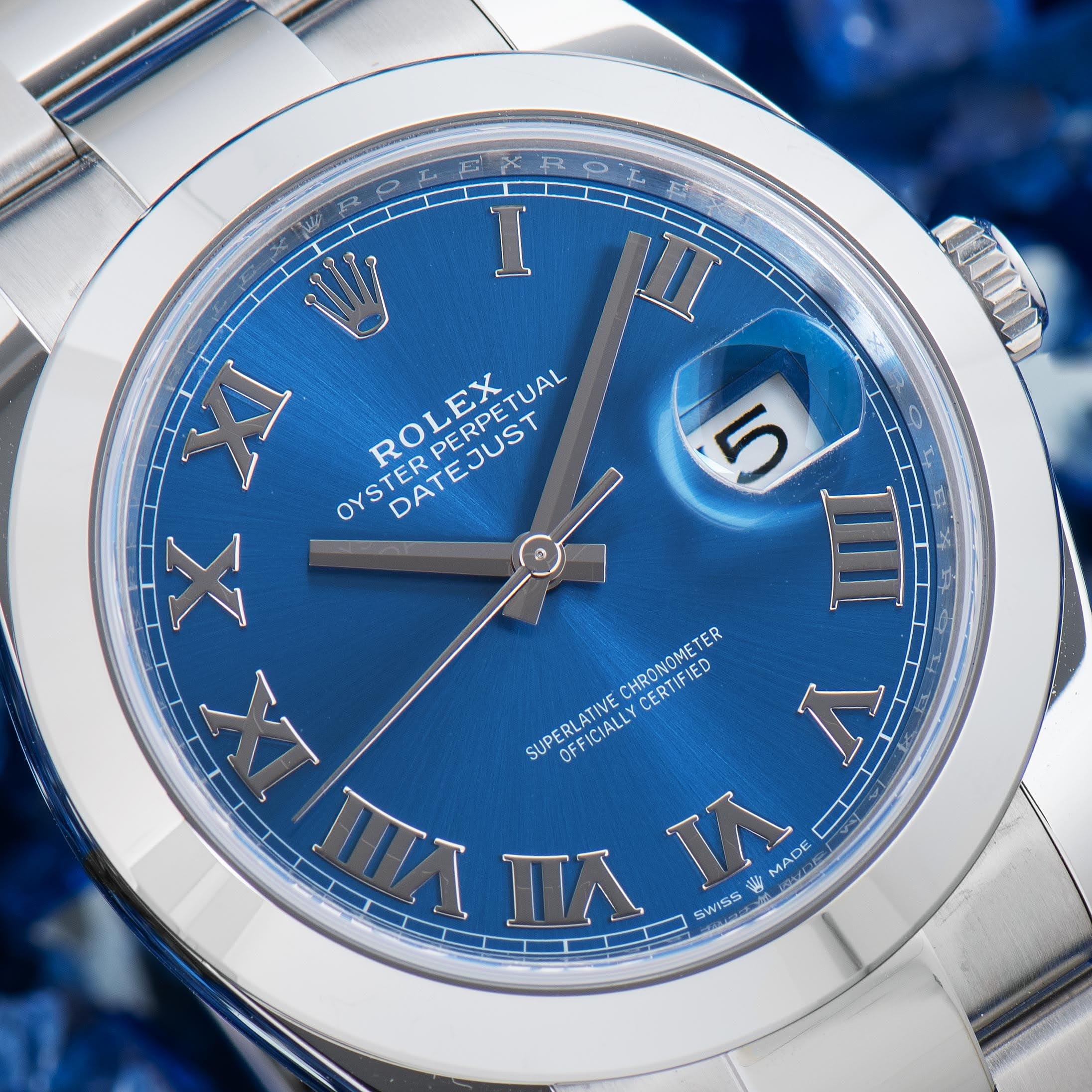
Whichever size you land on, buy one that's authenticated and correct — the checks in our guide on how to spot a fake Rolex apply to every Datejust. We currently have a Datejust 41 "Azzurro" in the collection, and we're happy to help you weigh 36 versus 41 for your wrist. Browse our Rolex collection, or get in touch and we'll talk it through.
Keep reading