
August 11, 2026 · 6 min read · Krono Legacy
What's My Watch Worth? The 6 Factors That Set Your Valuation
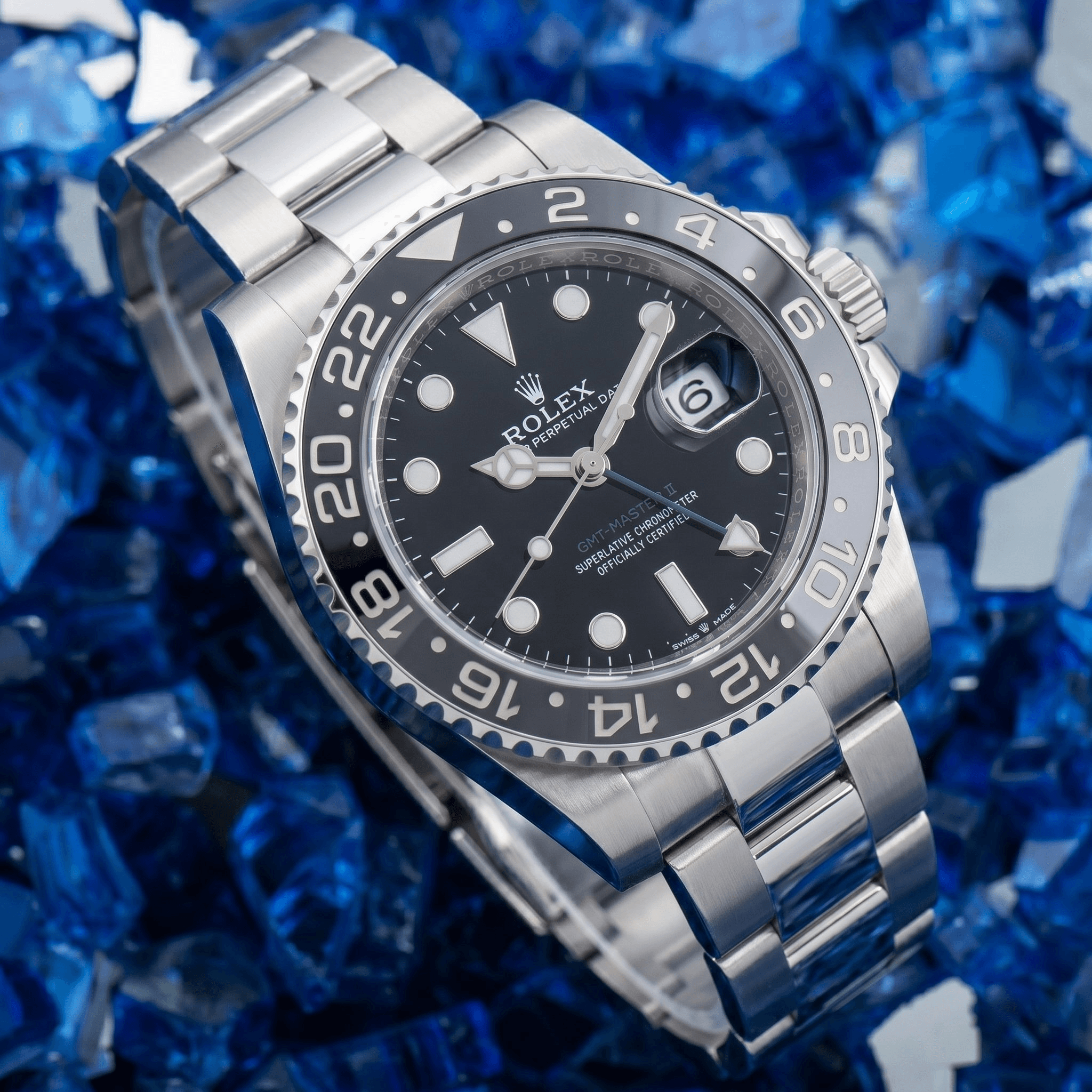
What your watch is worth comes down to six factors: the exact reference and its demand, the condition, the originality, whether you have the box and papers, how complete the package is, and where the live market sits right now. Get a read on each and you'll understand your number — and why an instant online "estimate" that ignores most of them isn't worth much.
1. The reference and its demand
The model and reference number are the foundation of any valuation, and demand varies enormously between them. Steel sports references with deep collector interest hold the strongest values, while dress and more niche models see softer demand. Knowing your exact reference — and whether it's the configuration buyers want — is where every honest valuation starts. You can see the kinds of references that move in our collection.
2. Condition
Condition is graded on a scale, and it moves the number meaningfully. "Excellent" — worn carefully, only light marks under close inspection — is the most common practical grade; "very good" signals more visible wear but not neglect. Clear, honest photos of the dial, case, and bracelet tell the real story far better than a one-word grade.
3. Originality
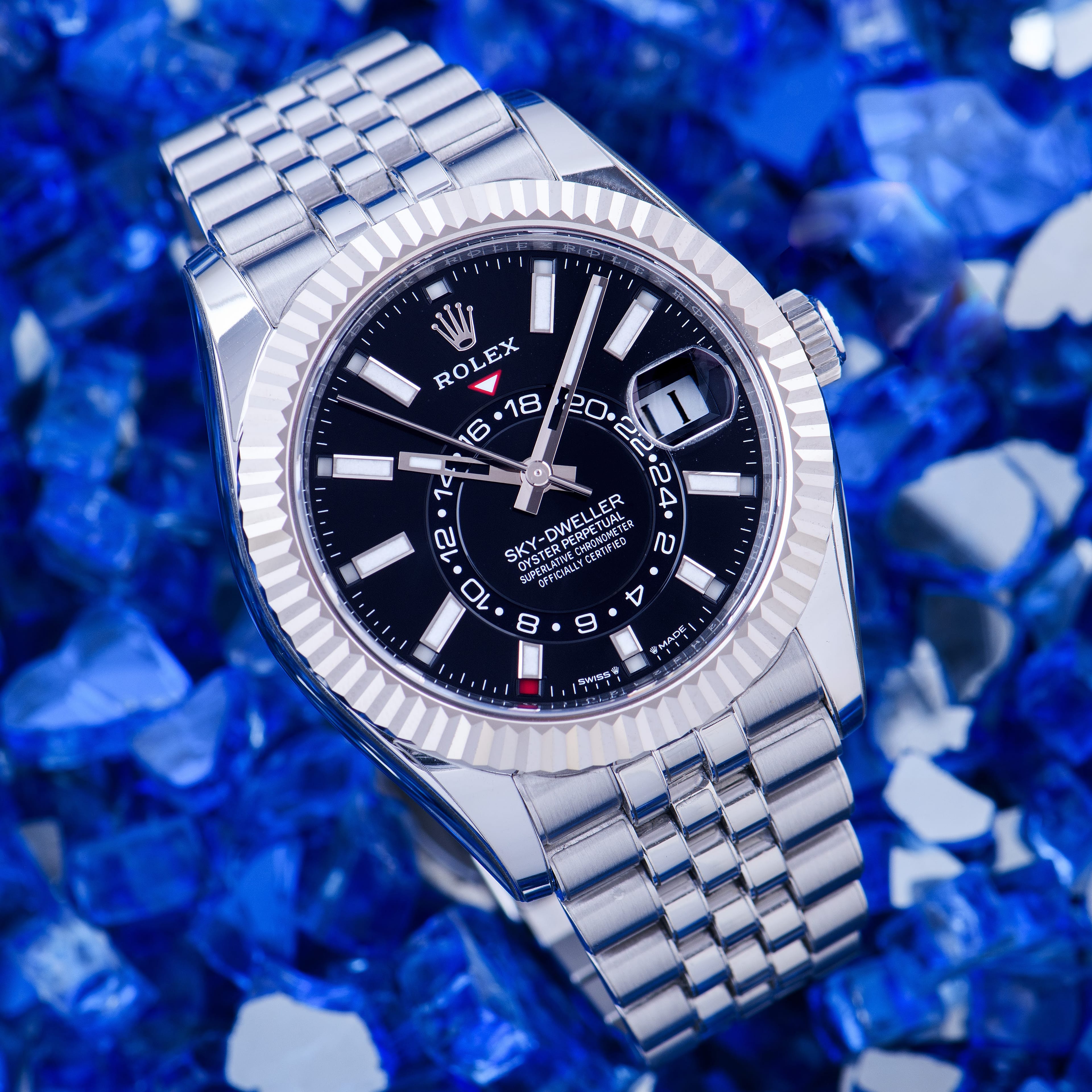
Originality often matters more than shine. An unpolished case with its factory edges and an original, factory-correct dial command a premium, while polishing and any dial refinishing reduce value even when the watch looks flawless. Before assuming a polished "mint" watch is worth more, remember that collectors usually pay more for honest, original wear.
4. Box and papers
A full set — original box, warranty card, and booklets — typically adds around 10-25% to value, with the warranty card mattering more than the box. If you have them, they lift your number and help the watch sell faster. Our explainer on what a "full set" really means breaks down exactly what counts.
5. Completeness and service history
Beyond box and papers, extras add confidence and value: documented service history, spare bracelet links, an original strap, or an extra bezel. They signal a watch that's been cared for, and they reduce a buyer's uncertainty — which is worth money.
6. The live market
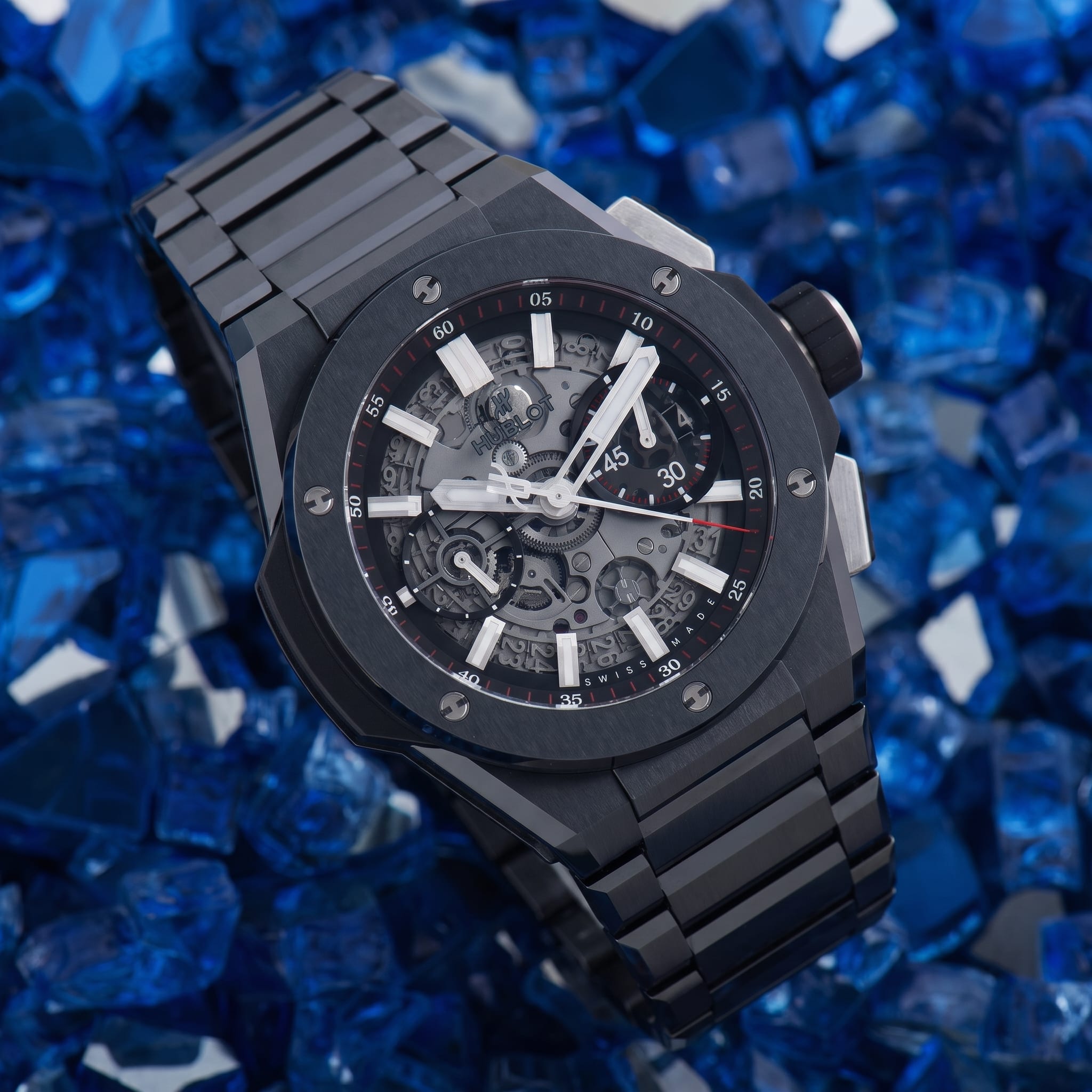
Pre-owned prices move, so a real valuation is grounded in recent comparable sales for your exact reference and condition — not a static number. Independent trackers like WatchCharts show how much prices can shift over a few months, which is why a valuation from last year may be well off today.
Getting a real number
Instant online estimators tend to ignore most of these factors, which is why their numbers are so often wrong in both directions. A proper valuation weighs all six against the live market. If you're thinking about selling, our guide on what actually determines your offer goes deeper — or head to our sell page and we'll give you a transparent, market-based figure.
Keep reading