
August 18, 2026 · 7 min read · Krono Legacy
Omega Speedmaster vs. Rolex Daytona: The Chronograph Decision
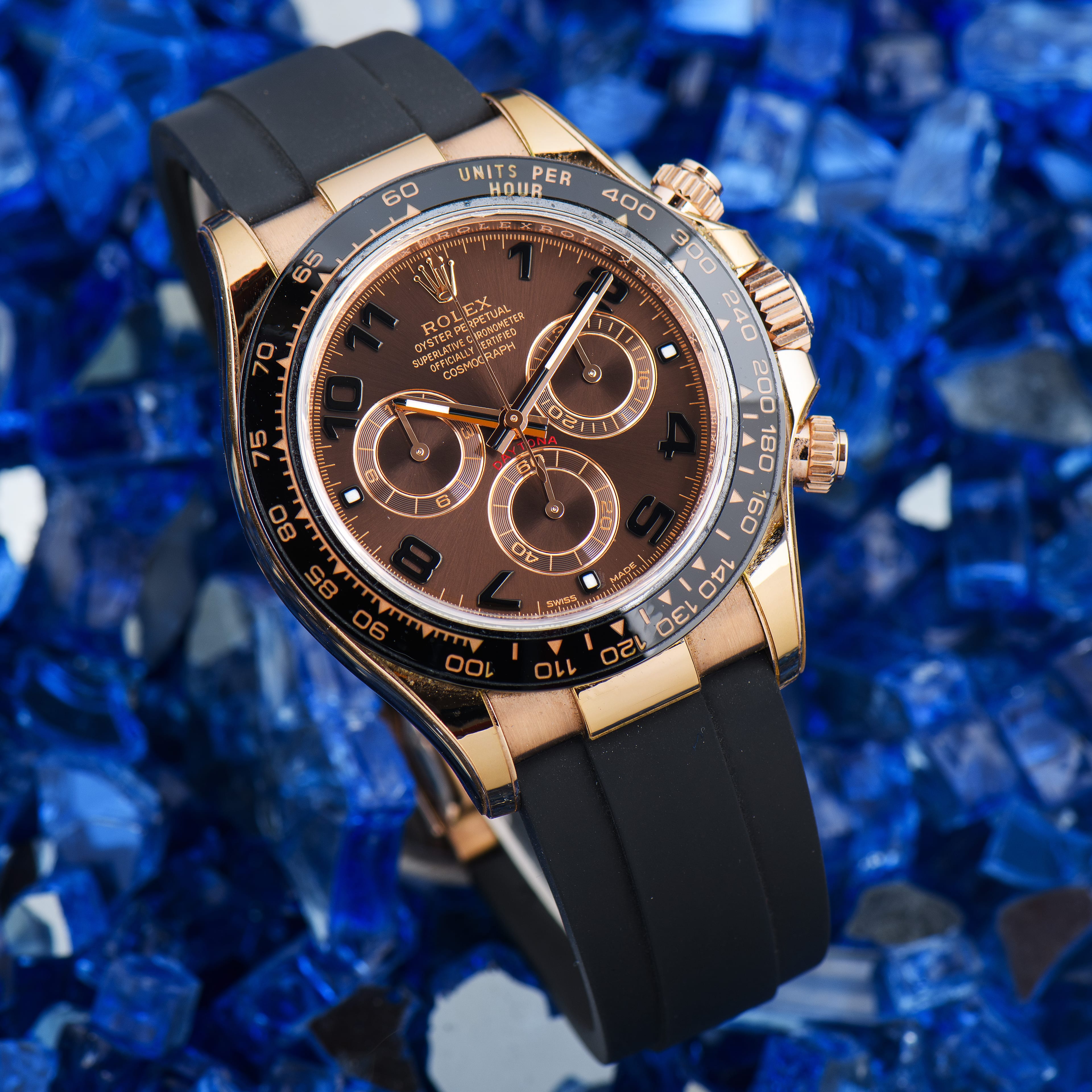
The Omega Speedmaster Moonwatch and the Rolex Cosmograph Daytona are the two most iconic chronographs in watchmaking — but they ask for very different things. The Speedmaster is a manual-wind, NASA-qualified piece of history you can buy at retail today, around $7,400-$7,800. The Daytona is an automatic modern icon whose roughly $15,500 retail is largely theoretical: steel examples trade closer to $28,000-$34,000 on the secondary market. Here's how to decide between them.
Movement: manual heritage vs. automatic convenience
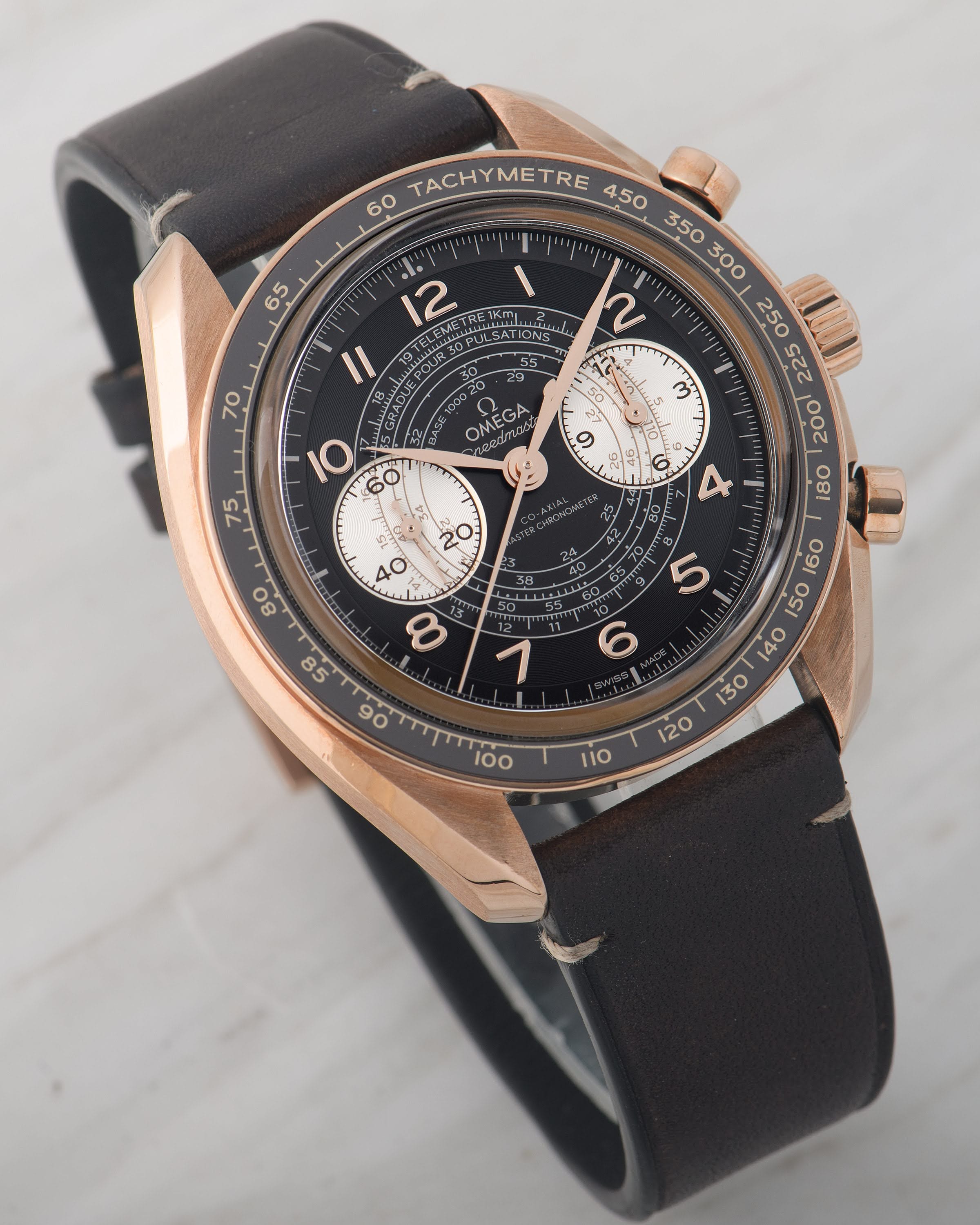
The Speedmaster Moonwatch runs a manual-wind caliber 3861 — a Lemania-derived architecture updated in 2021 with a co-axial escapement and METAS Master Chronometer certification (anti-magnetic to 15,000 gauss), with a 50-hour power reserve. You wind it, which is part of its charm and its connection to the original. The Daytona uses an automatic caliber 4131 with a 72-hour reserve — set it and forget it. Manual versus automatic is a genuine philosophical choice, not just a spec.
Price and availability
This is where the two diverge most. You can walk into an Omega boutique and buy a Speedmaster Moonwatch today — no waitlist, no premium — for roughly $7,400-$7,800. The steel Daytona's ~$15,500 retail, by contrast, is essentially fictional: near-impossible authorized-dealer availability pushes most buyers to the secondary market, where prices sit around $28,000-$34,000. Independent trackers like WatchCharts show how that gap moves over time. In practice, the real-world price difference is roughly fourfold.
Heritage
Both watches are legends, with very different stories. The Speedmaster is the Moonwatch — the first watch worn on the Moon, on the Apollo 11 mission in 1969 — with a verifiable NASA connection few watches can claim. The Daytona is the definitive racing chronograph, bound up with Paul Newman and the glamour of motorsport. Neither is "more" iconic; they're iconic for different reasons.
Which should you buy?
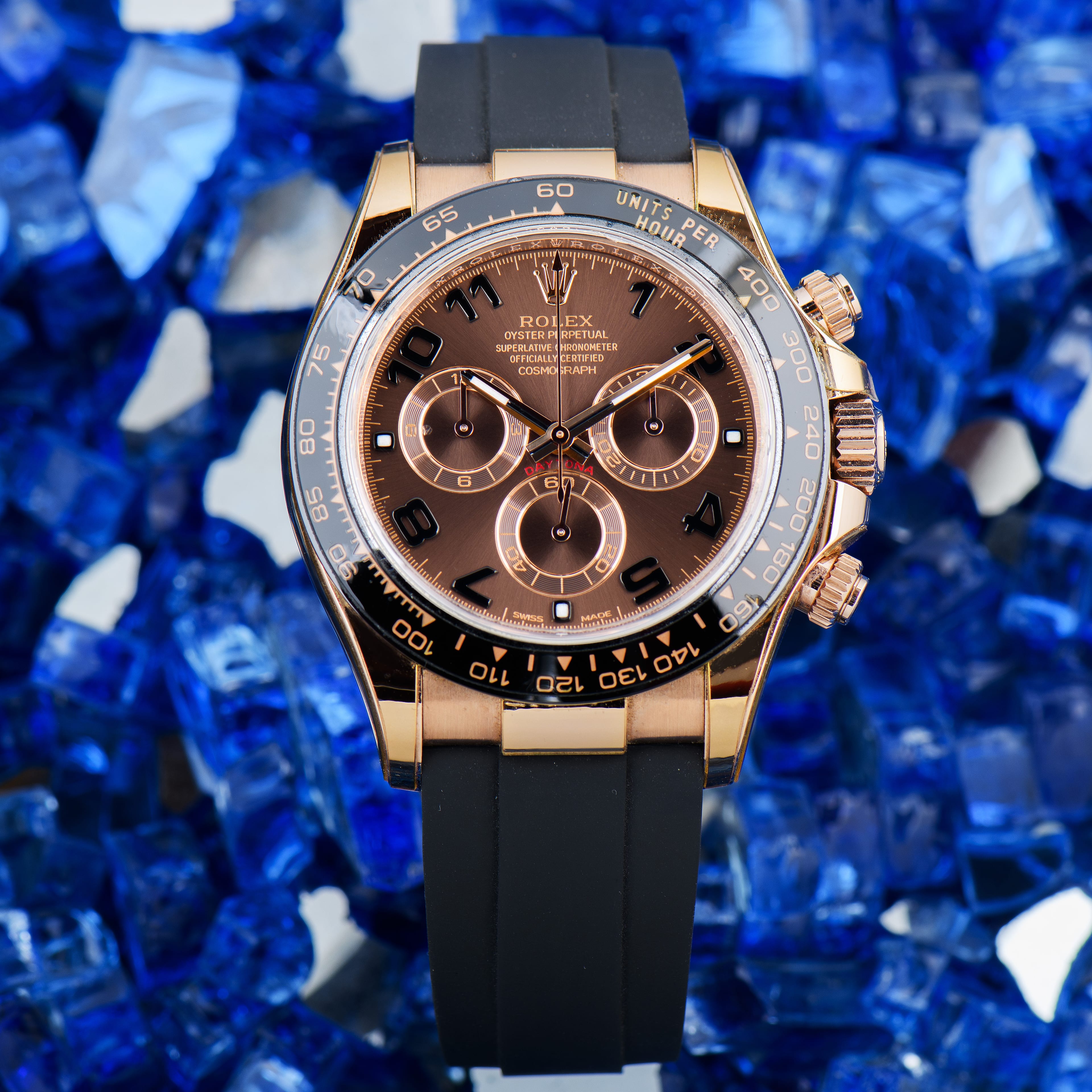
Choose the Speedmaster if you value history, hand-winding, and the ability to buy the watch today at a sane price. Choose the Daytona if you want the ultimate status icon and automatic convenience, and you accept the premium and the chase that come with it — often through the grey or secondary market, as we explain in our guide to where to buy. Plenty of collectors end up owning both.
Finding the right one
We source and authenticate both the Speedmaster and the Daytona, and we're happy to talk through which suits you before you commit. Browse the collection, or reach out and we'll help you find the right chronograph.
Keep reading